Gaurikund to Kedarnath Trek: Route, Distance & What to Expect
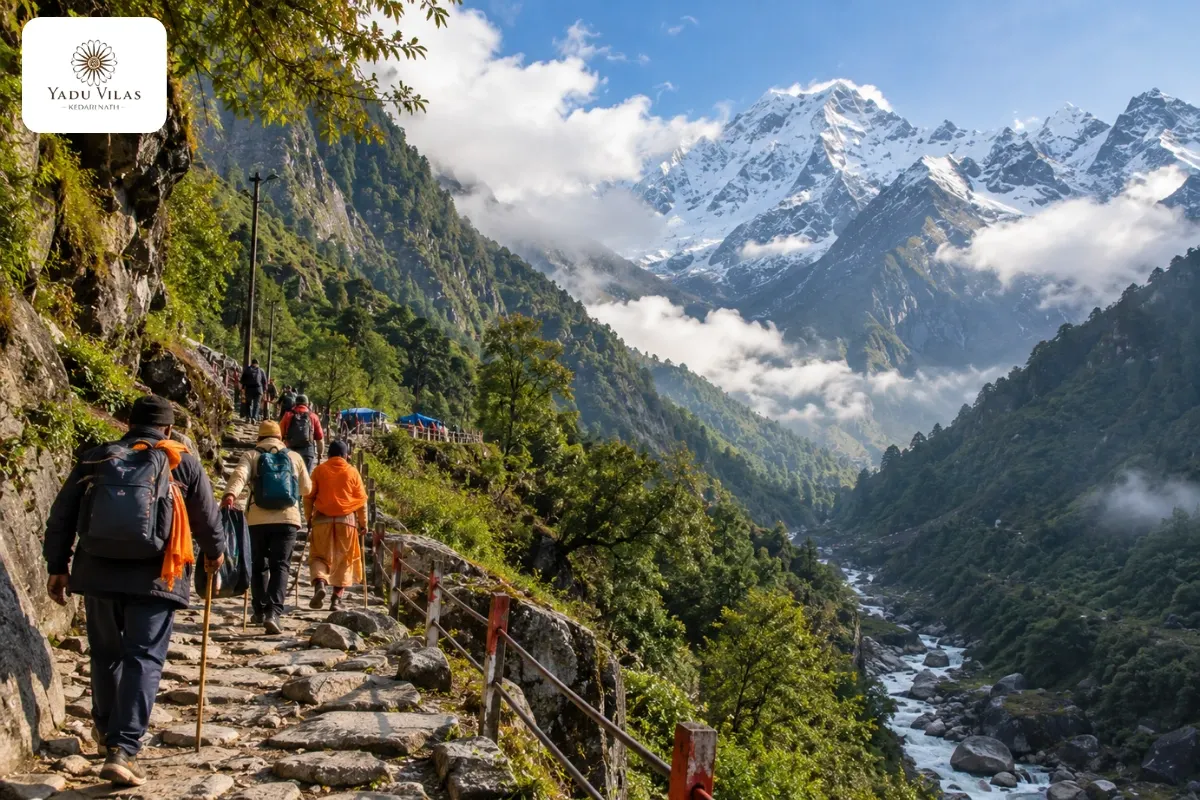
Gaurikund is the last point vehicles can reach. From here, the only ways to Kedarnath Temple are on foot, by pony, by palanquin (doli), or by helicopter from Phata. This guide covers the walk itself — what the route actually looks like, roughly how long it takes, and what tends to catch first-timers off guard.
Distances, timings, and route conditions below are approximate and can change with weather, maintenance work, and route diversions in any given season. Confirm current conditions with local authorities or your hotel before you start.
How Far Is It, Really?
The commonly cited distance from Gaurikund to Kedarnath is approximately 16 km, gaining significant altitude along the way. This isn't a flat 16 km walk — it's a sustained climb, and that matters more for planning purposes than the raw distance does.
Total walking time varies enormously by fitness level, weather, and how many breaks you take, but most trekkers report somewhere in the range of 6 to 9 hours for the ascent. Descent is generally faster but harder on the knees. Treat any specific number you read, including this one, as a planning estimate rather than a guarantee.
What the Route Actually Looks Like
The trail is a constructed mountain path — not a technical climb, but a continuous, often steep, uphill walk on a mix of paved sections, stone steps, and looser trail surfaces. It's well-used and clearly marked, since it's walked by thousands of pilgrims each season.
Broadly, the route passes through a series of recognised waypoints between Gaurikund and Kedarnath, historically including stops such as Jungle Chatti, Bheembali, and Linchauli before the final stretch into Kedarnath. These points have traditionally offered tea stalls, resting areas, and basic facilities, though exact availability, spacing, and condition can vary by season and should be confirmed locally rather than assumed.
Rest Points and Facilities Along the Way
Tea stalls and small eateries are generally available at intervals along the route during the main yatra season, offering hot tea, basic snacks, and a place to sit down. Don't expect consistency in what's open, especially early or late in the season — pack your own snacks and water as a backup rather than relying entirely on what you'll find en route.
Medical aid posts are typically set up along the trek during the yatra season as part of the broader pilgrim support infrastructure, though their exact locations and staffing can vary year to year. If you or someone in your group has a health concern, ask at Gaurikund or Sonprayag about the current placement of aid posts before you start.
Pony, Palanquin and Porter Options
If walking the full distance isn't realistic for you or someone in your group, pony, palanquin (doli), and porter services operate from Gaurikund. These are genuinely well-established options, not a last resort — many families, senior citizens, and pilgrims with limited mobility use them routinely.
Rates are set or negotiated locally and change with season and demand, so confirm current pricing at the Gaurikund stand rather than budgeting from anything you've read online. Our Gaurikund Travel Guide covers how the booking process works and what to expect from the stand itself.
How Difficult Is the Trek, Honestly?
For a reasonably fit adult with no major health issues, the trek is demanding but achievable — a full day of sustained uphill walking at altitude, not a casual hike. The altitude is the bigger factor for most people, more than the distance itself; even fit trekkers can feel the thinner air past a certain point.
For elderly pilgrims, young children, or anyone with cardiac or respiratory conditions, the trek on foot may not be the safest option, and a pony, palanquin, or helicopter transfer is worth seriously considering instead. There's no shame in this — a large proportion of pilgrims each year choose one of these alternatives specifically because of the altitude and distance involved.
Altitude and Weather Considerations
Kedarnath sits above 3,500 metres, and the trail gains altitude steadily from Gaurikund onward. Mild symptoms of altitude adjustment — breathlessness, mild headache, fatigue — are common and usually manageable with pacing and hydration. Anything more severe (confusion, persistent vomiting, difficulty breathing at rest) needs immediate attention at the nearest medical post.
Weather on the trail can shift quickly, even within a single day. Clear morning skies don't guarantee clear afternoon conditions, particularly during the monsoon months. Always start early enough that you're not caught on an exposed section of trail as weather turns.
What a First-Time Trekker Should Actually Expect
- The first couple of kilometres often feel manageable, and the climb gets noticeably harder as you gain altitude — pace yourself early rather than starting fast
- Your legs will likely be more tired than your lungs, or vice versa, depending on your fitness background — both are normal
- The trail is crowded during peak season (May-June), which slows overall progress but also means help and company are rarely far away
- Reaching Kedarnath after the climb is, by most accounts, an emotionally significant moment for pilgrims — worth knowing that the effort is generally considered worthwhile by those who've done it
Best Time to Start the Trek
Most experienced trekkers recommend starting as early in the morning as possible — partly to avoid the worst of the crowds, and partly to give yourself daylight buffer in case the walk takes longer than planned. Starting late in the day, especially during monsoon months, increases the risk of being caught on the trail after dark or in changing weather.
Trek Preparation Before You Go
- Build some general fitness in the weeks before your trip if you can — even regular walking helps more than you'd expect
- Break in your trekking shoes well before the trip; new shoes on a 16 km climb is a common cause of blisters
- Acclimatize where possible — spending a night at a lower altitude en route rather than rushing straight up can genuinely help
- Check the current weather forecast and any local advisories the morning you plan to start
For the full packing breakdown specific to this trek, see our Kedarnath Yatra Packing List.
Senior Citizens and Families
For older pilgrims, a pony or palanquin combined with an early, unhurried start tends to work far better than attempting the full walk. Build in rest time and don't set a rigid schedule.
Families travelling with children should realistically assess whether the full trek is appropriate — many opt for a combination of pony rides for younger children and a shorter walking distance for older kids and adults. Resting the night before at a comfortable hotel matters more than people expect; a tired start makes an already demanding day harder. See our family hotel near Kedarnath page for more on planning a group trip.
Safety Tips for the Trek
- Stay hydrated throughout — altitude dehydration sneaks up on people who feel fine
- Don't ignore early symptoms of altitude discomfort; rest and reassess rather than pushing through
- Keep a headlamp or torch even if you plan to finish before dark, in case of delays
- Travel with your group where possible, and let someone know your rough schedule
- Carry your registration proof and ID at all times — checkpoints along the route may ask for it
Registration is mandatory before you start — see our Kedarnath Yatra Registration Guide if you haven't completed it yet, and our Sonprayag Travel Guide for what happens just before you reach Gaurikund.
Planning Your Stay
A good night's rest before the trek makes a genuine difference to how the day feels. If you're looking for a comfortable stay near Gaurikund before your climb, explore Yadu Vilas Kedar.
Explore Hotel Near Gaurikund